

phosphatidylserine price
Inside the supply chain: brain-friendly soy phospholipids that actually scale If you formulate cognitive support products, you’ve probably priced and tested Phosphatidylserine Soybean Extract Powder 50% Nootropics Herbal Extract Raw Material more than once. Demand is rising across gummies, sachets, and clean-label capsules—yet consistency and real documentation still separate premium suppliers from the pack, to be honest. Why PS 50% is trending now Cognitive wellness is going mainstream. Brands are dialing in science-backed actives at efficacious doses (100–300 mg/day in many finished formulas), pushing for verified assays, non-GMO inputs, and clean extraction. It seems that PS 50% hits a sweet spot: high potency, decent flow, and better stability with proper packaging. Many customers say it plays nicely with L-theanine, citicoline, and DHA—surprisingly versatile. Technical snapshot Phosphatidylserine Soybean Extract Powder 50% Nootropics Herbal Extract Raw Material is derived from soy lecithin (ethanol extraction), manufactured at Building 23B1, No.2 Yuanboyuan St., Zhengding Area of China (Hebei) Pilot Free Trade Zone. Non-GMO, BSE/TSE Free, Non Irradiation, Allergen Free. Parameter Specification (≈/around) Method/Ref Assay (Phosphatidylserine) ≥ 50.0% w/w HPLC-ELSD Source / Used Part Soy lecithin / Fruit (label claim) Traceability docs Extract solvent Ethanol (Class 3) ICH Q3C Heavy metals Pb ≤ 1.0 ppm; Cd ≤ 0.5 ppm; As ≤ 1.0 ppm; Hg ≤ 0.1 ppm USP <232>/<233> Microbiology TAMC ≤ 1×10^4 CFU/g; TYMC ≤ 1×10^3 CFU/g; Pathogens: absent USP <61>/<62> Shelf life 24 months sealed, ≤25°C, dry, nitrogen-flushed, away from light Real-world use may vary Process flow (simplified) Materials: food-grade soy lecithin, ethanol, L-serine (enzymatic step), inert gas. Methods: ethanol extraction → enzymatic transphosphatidylation → low-temp vacuum concentration → membrane filtration → deodorization → spray drying → sieving (40–80 mesh) → nitrogen flush and pack. Testing standards: assay by HPLC; residual solvents per ICH Q3C; elemental impurities per USP /; pesticides per USP ; oxidation (peroxide value) per AOCS. Industries served: dietary supplements, functional foods, RTD sachets, softgels, and gummies. Application scenarios Capsules: 100–150 mg PS/cap, 1–2× daily. Gummies: flavor-masked; watch peroxide/acid values; add antioxidants. Powder sticks: pair with B-vitamins, theanine; humidity control is key. Softgels: common with soy/sunflower carriers for improved dispersion. Vendor landscape (quick reality check) Criteria Finutra (origin) Vendor B (spot) Vendor C (OEM broker) Assay consistency ≈ 50–54% lot-to-lot ≈ 47–52% Varies (rebadged) Docs & certificates COA, SDS, allergen, GMO, Halal/Kosher COA basic On request Lead time Stock or 7–15 days Uncertain Depends on partner Custom options Mesh size, carrier profile, private-label COA Limited Case by case Customization and packaging Options include tighter assay windows, 40–80 mesh, antioxidant systems (mixed tocopherols), and small-batch nitrogen-flushed 1–5 kg foil bags inside fiber drums. I guess the practical win is fewer surprises at scale-up. Field notes (mini case studies) US DTC brand reformulated a memory gummy: switched to Phosphatidylserine Soybean Extract Powder 50% Nootropics Herbal Extract Raw Material , added rosemary extract for stability—returns dropped ≈18% over 2 quarters due to better taste stability. EU private label launched sachets (200 mg PS/day): with nitrogen-packed powder, retained ≥98% assay at 6 months, 25°C/60% RH (in-house ICH-like study). Compliance and testing Typical batch data: residual ethanol ≤ 5000 ppm; peroxide value ≤ 10 meq/kg; acid value ≤ 6 mg KOH/g; allergens: soy derivatives declared; GMO-negative by PCR screen. Labs operate to ISO/IEC 17025. Certifications available on request: Halal, Kosher, HACCP, GMP. References ICH Q3C (R8) Impurities: Guideline for Residual Solvents. USP General Chapters <232> and <233> Elemental Impurities. USP <61>/<62> Microbiological Examination of Nonsterile Products. EFSA Journal 2011;9(6):2292, scientific opinion on phosphatidylserine and cognitive function. AOCS Official Methods Ca 5a-40 (Peroxide Value) and Cd 3d-63 (Acid Value).
Finutra devotes to be an integrated supplier for global supply chain, we offer a
broad array of raw materials and functional ingredients
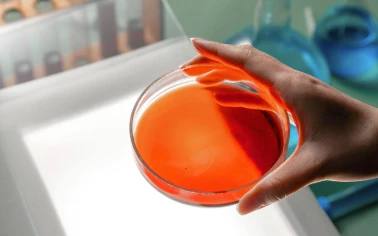
application of microcapsules
Microencapsulation is a technology that encapsulates solid, liquid, or gaseous active ingredients in small capsules, whose walls are typically composed of natural or synthetic polymer materials. This technology is widely used in fields such as food, medicine, cosmetics, and agriculture, which can significantly improve the stability, functionality, and user experience of products, thereby achieving
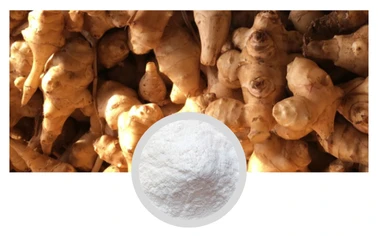
beta carotene for skin care
Advancements in Carotenoid Delivery: Understanding Microencapsulation In the rapidly evolving nutraceutical and functional food sectors, the demand for highly stable and bioavailable active ingredients is paramount. Carotenoids such as Lutein, Zeaxanthin, and Lycopene are vital micronutrients celebrated for their potent antioxidant properties and roles in eye health, skin protection, and cardiovas
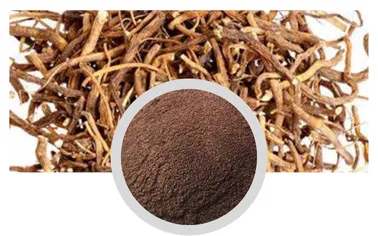
magnesium glycinate bulk
Alpha-Glycerophosphocholine (Alpha-GPC) has emerged as a critical compound in both pharmaceutical and athletic industries due to its unique biochemical properties. This article provides an in-depth analysis of Alpha-GPC, covering its scientific foundation, technical specifications, applications, and the company behind its production, Hebei Finutra Biotech Co., Ltd. Product Overview Alpha-GPC, also
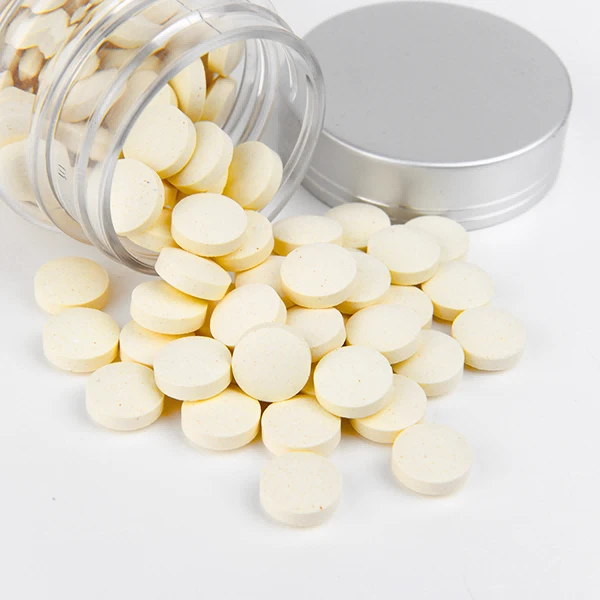
vitamin b2 injection benefits
Introduction to Coenzyme Q10 Raw Material for B2B Applications In the rapidly evolving nutraceutical and cosmeceutical sectors, the demand for high-purity, bioavailable active pharmaceutical ingredients (APIs) is paramount. Among these, Coenzyme Q10 CoQ10 Powder Raw Material Cardiovascular Health Antioxidant Skin Care stands out as a critical ingredient. Known for its indispensable role in cellula
ginseng polygona root extract
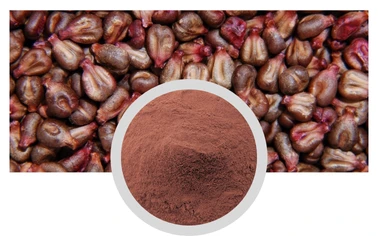
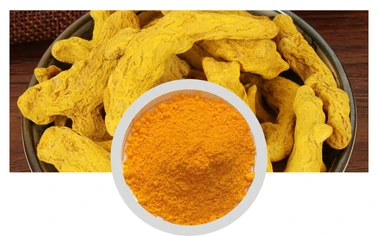
Turmeric root extract powder has gained significant attention in recent years for its powerful health benefits, largely attributed to its active compound, curcumin. Known for its anti-inflammatory and antioxidant properties, this golden spice has been used for centuries in traditional medicine. The turmeric root extract powder is concentrated, providing a potent form of curcumin that supports join
alpha glycero phosphocholine
Alpha-Glycerophosphocholine (Alpha-GPC) has emerged as a critical compound in both pharmaceutical and athletic industries due to its unique biochemical properties. This article provides an in-depth analysis of Alpha-GPC, covering its scientific foundation, technical specifications, applications, and the company behind its production, Hebei Finutra Biotech Co., Ltd. Product Overview Alpha-GPC, also
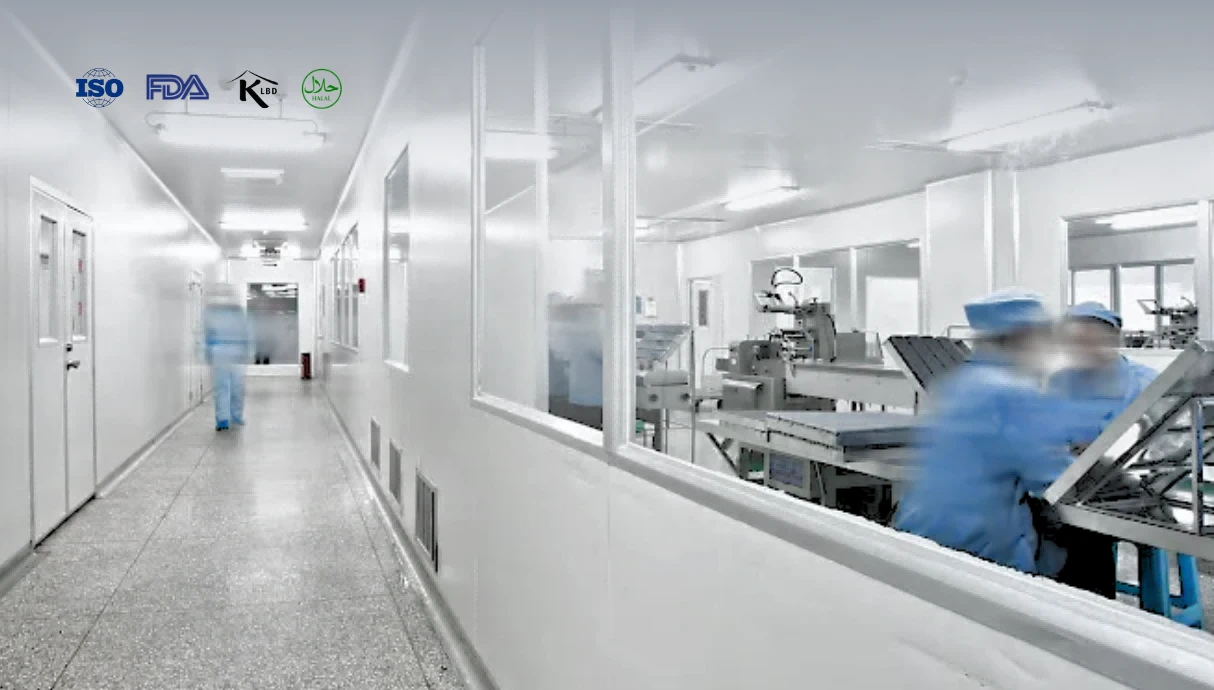
Authoritative Certification
Continuous Innovation, Customer First
Enhance core competitiveness to bring customers better products and services,
Each of these is the result of our team's relentless pursuit of excellence
and our deep commitment to social responsibility.


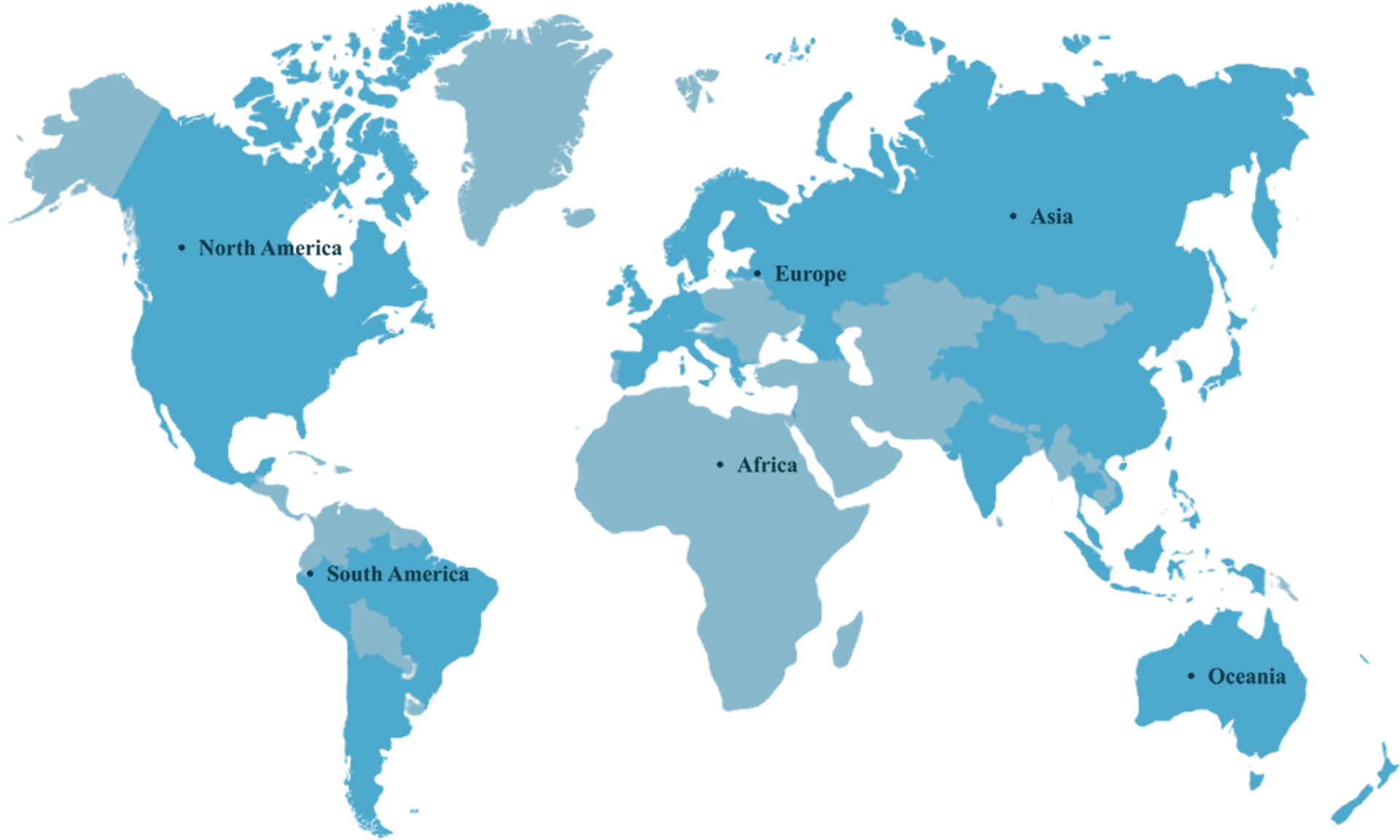
Global
Reach
FINUTRA has over 350,000 square feet of manufacturing and warehouse
space worldwide.
Industries We Serve
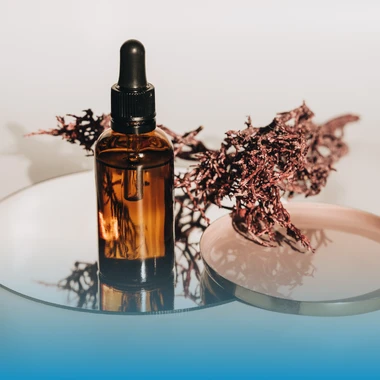
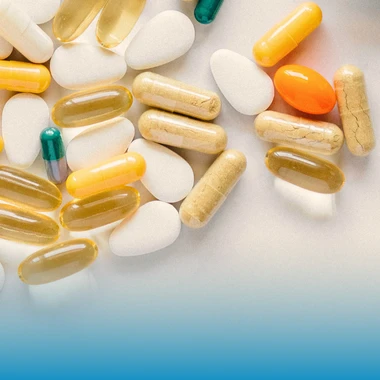
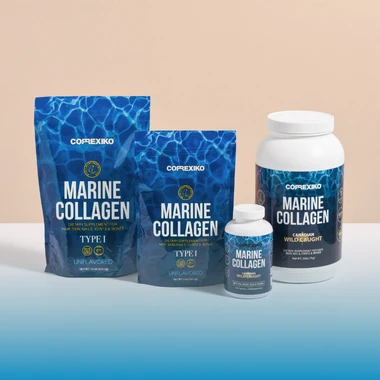

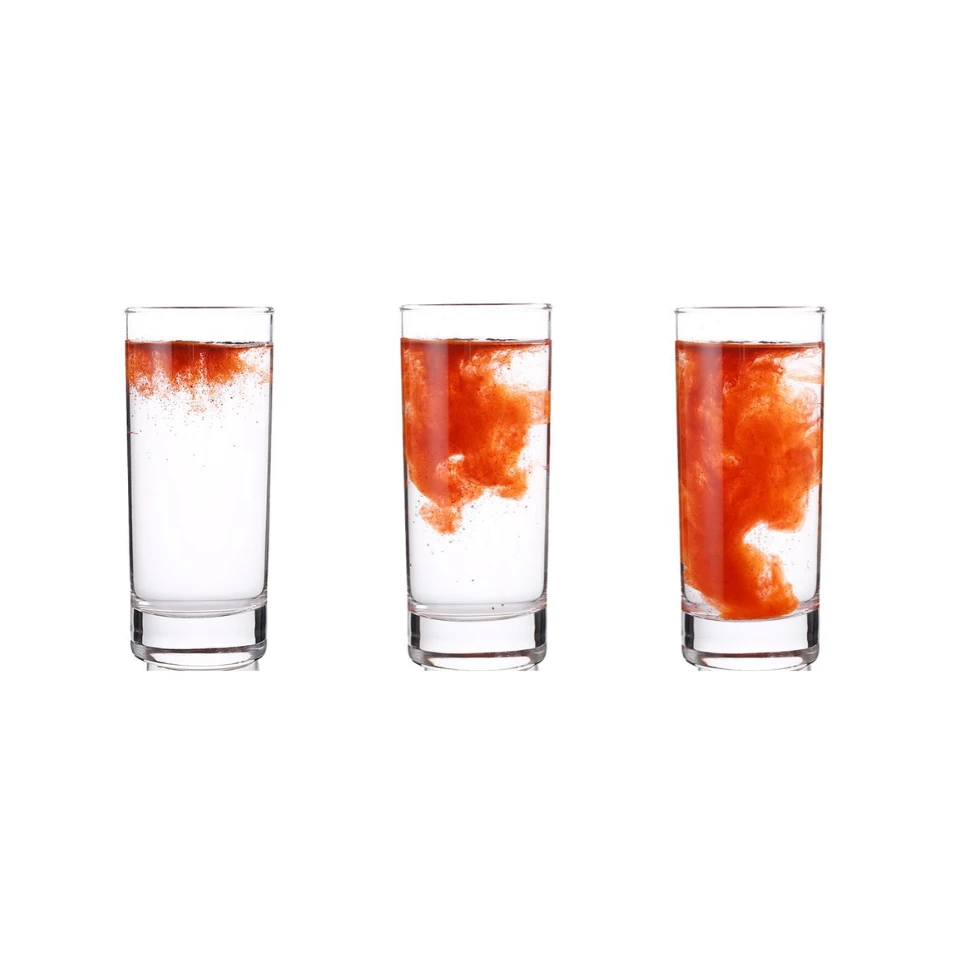
Advanced molecular distillation and microencapsulation
technology. Extremely bioavailable
trace carotenoids Intuitively soluble.

STAY UPDATED
Receive special offers and first look at new
products.
products.


Building 23B1, No.2 Yuanboyuan St., Zhengding Area of China (Hebei) Pilot Free Trade Zone
QUICK LINK
Finutra devotes to be an integrated supplier for global supply chain, we offer a broad array of raw
materials and functional ingredients as a manufacturer, distributor and supplier for global Beverage,
Nutraceutical, Food, Feed and Cosmeceutical.
Copyright © 2025 Hebei Finutra
Biotech Co.,
Ltd. All
Rights Reserved.
Privacy Policy


